Ethically Made Scarves: What to Actually Look For
Ethical and sustainable language has become common in fashion marketing, often without much substance behind it. This guide sets out what to actually look for if sourcing and production practices genuinely matter to your buying decision, so you can tell the difference between a specific, checkable claim and a feel-good phrase with nothing behind it.
Why Vague Ethical Claims Are Not Enough
Words like ethically made, sustainably sourced, or conscious collection carry no fixed, regulated meaning in most markets. A brand can use this language freely without any specific practice behind it. This does not mean every brand using such language is being dishonest, but it does mean the language itself is not evidence of anything. What matters is whether a brand backs the language with specific, checkable detail.
What Specific, Checkable Claims Actually Look Like
A stated country or region of origin. Knowing where a piece is actually made, not just where the brand is headquartered, is a basic and verifiable fact. A brand that states this clearly, rather than leaving it vague, is giving you something concrete.
Information about who makes the piece. This might mean naming a specific region known for a craft tradition, describing a workshop or atelier relationship, or explaining whether production is handmade, machine-made, or a combination. Vague claims about empowering artisans with no further detail are weaker than a specific description of the actual production process.
Fibre sourcing detail. Where does the raw fibre come from. Is it described specifically, a particular region or type of goat for cashmere, for example, or is the description generic. Specificity suggests the brand actually knows and has verified its own supply chain, rather than repeating a general claim.
Honesty about limitations. A brand that acknowledges what it does not yet track or verify, rather than claiming perfect transparency across an entire supply chain, is often more trustworthy than one claiming comprehensive ethical sourcing with no detail to support it. Supply chains, particularly for natural fibres involving small-scale herders, farmers and artisans, are genuinely complex, and an honest brand reflects that complexity rather than smoothing it into a simple marketing claim.
Hand-Loomed and Handmade Claims Specifically
If a brand states that a piece is hand-loomed or hand-finished, this is a specific, checkable claim in principle, though hard for a customer to verify directly. What you can reasonably expect is a description of what that actually means for the specific piece: which part of the process is done by hand, and ideally some sense of the people or workshop involved, rather than the phrase used as a generic quality signal with no further explanation. Our craftsmanship story describes our own hand-loom weaving process in these specific terms.
Certifications: What They Can and Cannot Tell You
Formal certifications for fibre sourcing and labour practices exist in the textile industry and can add real credibility when present and verifiable. However, the absence of a specific certification does not automatically mean a brand's practices are poor. Many small and mid-sized artisanal producers work in ethical ways without pursuing formal certification, often because of cost or scale, not because of anything to hide. Certification is a useful positive signal when present, but its absence should prompt a specific question rather than an assumption either way.
Questions Worth Asking Directly
If sourcing and production practices genuinely matter to you, and a brand's own pages do not answer these clearly, it is reasonable to ask directly through a contact page or similar channel:
- Where exactly is this piece made, and by whom?
- How is the raw fibre sourced, and from where?
- Is the piece handmade, machine-made, or a combination, and for which parts of the process?
- Does the brand hold any formal certifications, and if not, why?
A brand confident in its own practices should be able to answer these specifically. Vague deflection is itself informative.
Our Own Approach, Stated Plainly
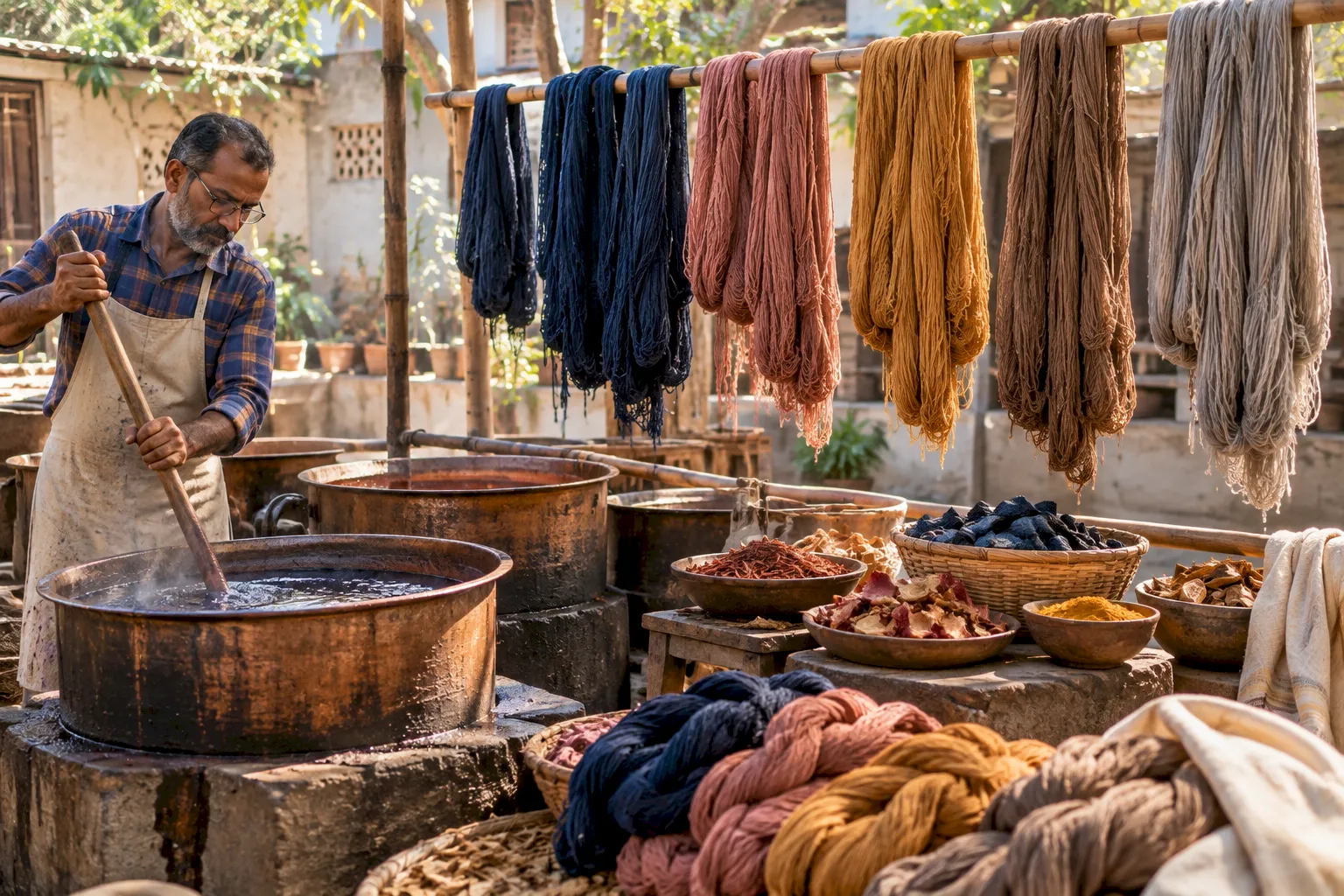
Our pieces are hand-loomed in India, a region with a long, established tradition of fine natural-fibre weaving. We describe our production process in specific terms on our craftsmanship page rather than relying on general ethical language alone. We do not claim certifications we do not hold, and we would rather state plainly what we know and do not yet track than overstate our own transparency.
Why This Matters Beyond the Individual Purchase
Buying decisions that reward specific, checkable claims over vague marketing language create a real incentive for brands to actually disclose more, over time, across the industry. A single purchase does not change an industry, but a pattern of customers asking specific questions and favouring specific answers does shift what brands feel they need to provide.
Why Scale Affects What a Brand Can Realistically Disclose
A very large fashion brand sourcing from many factories across several countries faces a genuinely difficult task in tracking and verifying every stage of every supply chain, which is part of why formal certification schemes and third-party audits exist at that scale. A small or mid-sized artisanal brand working with one or two workshops or weaving communities has a simpler, more direct relationship to its own production, which can make its claims easier to state specifically, even without formal certification. Neither scale automatically produces better practice, but it is worth understanding that the kind of disclosure reasonable to expect differs somewhat between a multinational brand and a small atelier, and judging both by an identical standard of formal certification is not always a fair comparison.
The Difference Between Fibre Sourcing and Labour Practices
Ethical sourcing claims often bundle together two genuinely different questions: where and how the raw fibre is obtained, for example how cashmere goats are raised and the fibre collected, and how the people doing the spinning, weaving and finishing are treated and compensated. A brand might have detailed, specific information about one of these and much less about the other, since they often involve different parts of a supply chain with different visibility. If ethical sourcing matters to you specifically, it is worth asking about both separately rather than accepting a single general claim covering the whole chain.
How to Weigh This Alongside Other Buying Factors
For most buyers, ethical sourcing is one consideration among several, alongside fibre quality, price, fit for purpose, and overall trust in the seller. It is reasonable to weigh it seriously without treating it as the sole determining factor, and reasonable also to accept that perfect certainty is rarely available for any fashion purchase, however it is marketed. What matters most is favouring specific, honest disclosure over vague reassurance, regardless of how heavily you personally weight the ethical dimension against the others.
Frequently Asked Questions
What does "ethically made" actually mean?
There is no fixed, regulated definition. It can mean many different things depending on the brand, which is why specific, checkable detail about sourcing and production matters more than the phrase itself.
Should I avoid a brand that has no formal ethical certification?
Not necessarily. Many small and artisanal producers operate ethically without formal certification, often due to cost or scale. The absence of certification is worth a direct question, not an automatic negative assumption.
How can I verify a brand's ethical claims as a customer?
You generally cannot verify them independently in full. What you can do is favour brands offering specific, detailed claims over vague language, and ask direct questions when information is missing.
Does hand-loomed always mean more ethical?
Not automatically, but it does typically mean more human labour is involved in production relative to fully mechanised manufacturing, which is one factor, among several, that some buyers consider relevant to their own values around ethical production.
What is a red flag when evaluating a brand's sourcing claims?
Vague, emotive language, such as ethically sourced or conscious materials, with no specific country, process, or sourcing detail behind it, and evasiveness when asked a direct, specific question.
Learn About Our Process
Read our craftsmanship story in full, or explore our materials pages for fibre-specific sourcing detail.