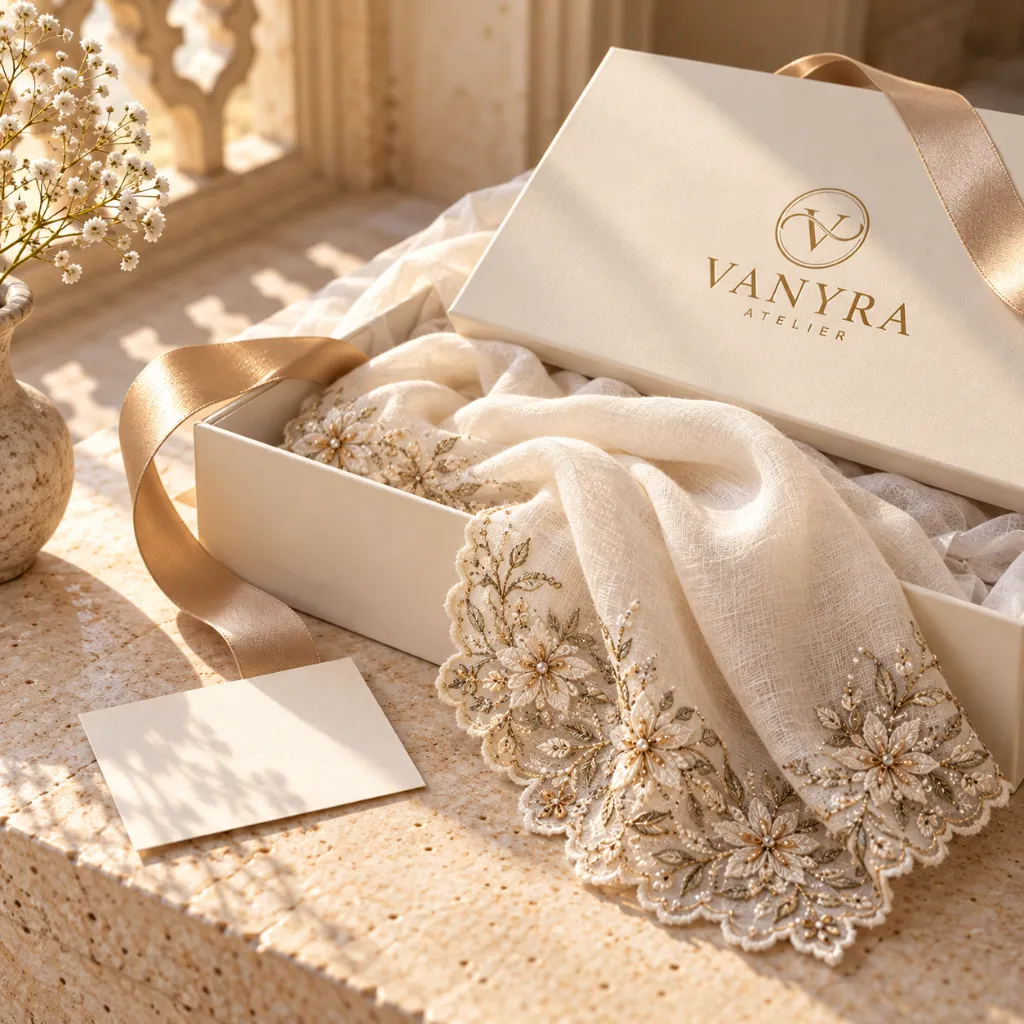
How to Store a Silk Scarf Properly

Silk is a genuinely different fibre from wool in how it behaves over time, and its storage needs reflect that difference. Many people, used to storing wool scarves correctly, apply the same approach to silk without realising a few specific adjustments make a real difference to how well a silk piece holds up over years of ownership.
Why Silk Storage Differs From Wool Storage
Wool storage is primarily concerned with moth prevention, since wool is a protein fibre moths are specifically attracted to, which is the focus of our guide on preventing moth damage. Silk, while also a protein fibre, is far less attractive to common clothes moths than wool, so moth prevention is a smaller concern for silk specifically. Instead, silk's main storage vulnerabilities are light exposure, which can fade and weaken the fibre over time, moisture, which can encourage mildew or water spotting, and sharp, repeated creasing, which can cause a visible permanent line in the fabric.
Fold Loosely or Roll, Rather Than Hanging
Hanging a silk scarf on a hook for extended storage allows gravity to stretch the fabric gradually out of shape over time, particularly for a lighter weight silk. Folding the scarf loosely, rather than in a tight, sharp fold, or rolling it gently, distributes the fabric's weight more evenly and avoids both stretching and the sharp crease lines that repeated identical folding can produce. If you do fold, it is worth occasionally changing exactly where the fold sits, rather than always folding along the identical line, to avoid a fixed crease developing permanently in one spot.
Protect From Direct Sunlight
Prolonged exposure to direct or even strong indirect sunlight can fade silk's colour and gradually weaken the fibre itself, since UV light breaks down protein fibres over time. Store silk scarves in a drawer, a closed cupboard, or a storage box rather than on an open shelf in direct light, and avoid displaying a silk piece on an open hook near a sunny window for extended periods if you want to preserve its colour and strength over the long term.
Keep It Away From Moisture
Silk is more vulnerable to water spotting and mildew than many people expect, since moisture trapped against the fibre for an extended period can cause discolouration or a musty smell that is difficult to fully remove. Make sure a silk scarf is completely dry before folding it away for storage, and avoid storing it in a damp area such as a basement or an unventilated space. If you live somewhere genuinely humid, a silica gel packet in the storage box or drawer can help manage ambient moisture.
What to Wrap It In
Acid-free tissue paper is a traditional and genuinely effective wrapping material for delicate silk, since it is chemically inert and will not react with or discolour the fabric over time, unlike some ordinary papers. A breathable fabric bag, such as cotton, is also a good option and allows some air circulation, which matters since silk, like most natural fibres, benefits from not being sealed completely airtight for very long periods. Avoid standard plastic bags for long-term storage, since trapped moisture inside a sealed plastic bag can encourage the mildew problem described above, even though plastic feels protective.
Handling Multiple Silk Pieces Together
If you are storing several silk scarves together, avoid packing them too tightly into a single drawer or box, since this increases friction and the risk of snagging between pieces, particularly if any piece has an embellishment, fringe, or rougher-textured companion item nearby. Separating pieces with a layer of tissue, or storing more delicate pieces individually, reduces this risk considerably.
Seasonal Storage Considerations
If you are putting a silk piece away for an extended period between seasons, make sure it is clean and completely dry before storage, since any residual body oils, perfume, or moisture left on the fabric can set in or attract damage over a long storage period in a way that would not be an issue for a piece in regular use and regular light cleaning. Our guide on how to care for cashmere covers the comparable principle for wool, and the underlying logic, clean before long-term storage, applies equally to silk.
Signs of Storage Damage to Watch For
Permanent crease lines along a repeated fold, visible as a slightly discoloured or weakened line in the fabric.
Fading or colour change, particularly along any edge that may have been exposed to light while the rest of the piece was protected.
A musty smell or faint discolouration, suggesting moisture exposure during storage, which is worth addressing by airing the piece out and, if the smell persists, having it professionally cleaned.
A Simple Silk Storage Routine
- Clean and fully dry the piece before any extended storage.
- Fold loosely or roll, varying the fold line over time rather than always folding identically.
- Wrap in acid-free tissue or a breathable fabric bag, avoiding sealed plastic.
- Store away from direct sunlight and moisture, in a drawer or closed cupboard rather than an open, sunlit shelf.
- Avoid packing tightly against other pieces, particularly those with fringe or embellishment.
Travelling With Silk: A Related Storage Problem
Packing a silk scarf for travel presents a similar challenge to long-term storage, compressed into a much shorter timeframe: avoiding sharp creases, protecting against moisture if luggage gets wet or humid, and preventing snagging against other items in a packed bag. Rolling the scarf loosely and placing it inside a soft pouch or wrapped in a piece of clothing, rather than letting it sit loose and exposed to friction against zippers or harder items, helps it arrive looking as good as when it was packed. If travel is a regular part of how you use your silk pieces, our guide to travelling with cashmere covers related packing principles that apply with similar logic to silk.
When to Consider Professional Cleaning Before Long-Term Storage
If a silk piece has been worn several times since its last cleaning, or if you are uncertain whether it is completely free of body oils, perfume or any faint staining, it is worth having it professionally cleaned before committing it to long-term storage, rather than discovering a set-in mark or odour only when you take it out again much later. This small additional step before storage is considerably easier than addressing a problem that has had months to set into the fibre.
Frequently Asked Questions
Should I hang or fold a silk scarf for storage?
Fold loosely or roll it, rather than hanging, since hanging over time can stretch the fabric out of shape under its own weight, particularly for lighter weight silk.
Is it safe to store silk in a sealed plastic bag?
Not ideal for long-term storage. Trapped moisture inside sealed plastic can encourage mildew. A breathable fabric bag or acid-free tissue wrapping is a better choice.
Why does my silk scarf have a permanent crease line?
This can develop from the same fold being used repeatedly over a long period. Vary where you fold the piece, or roll it instead, to avoid this over time.
Are silk scarves at risk from moths the same way wool is?
Less so. Clothes moths are specifically attracted to wool and similar animal fibres more than silk, so moth prevention is a smaller concern for silk than it is for cashmere or wool, though general cleanliness and proper storage are still worth maintaining.
What should I do before putting a silk scarf away for an extended period?
Make sure it is clean and completely dry, since residual moisture, body oils or perfume left on the fabric can cause problems if left set in during long-term storage.
Care for Every Piece
Read our full guide to caring for cashmere, or explore our silk collection to find a piece worth caring for properly.