
How to Care for Cashmere: Cleaning, Washing and Everyday Habits
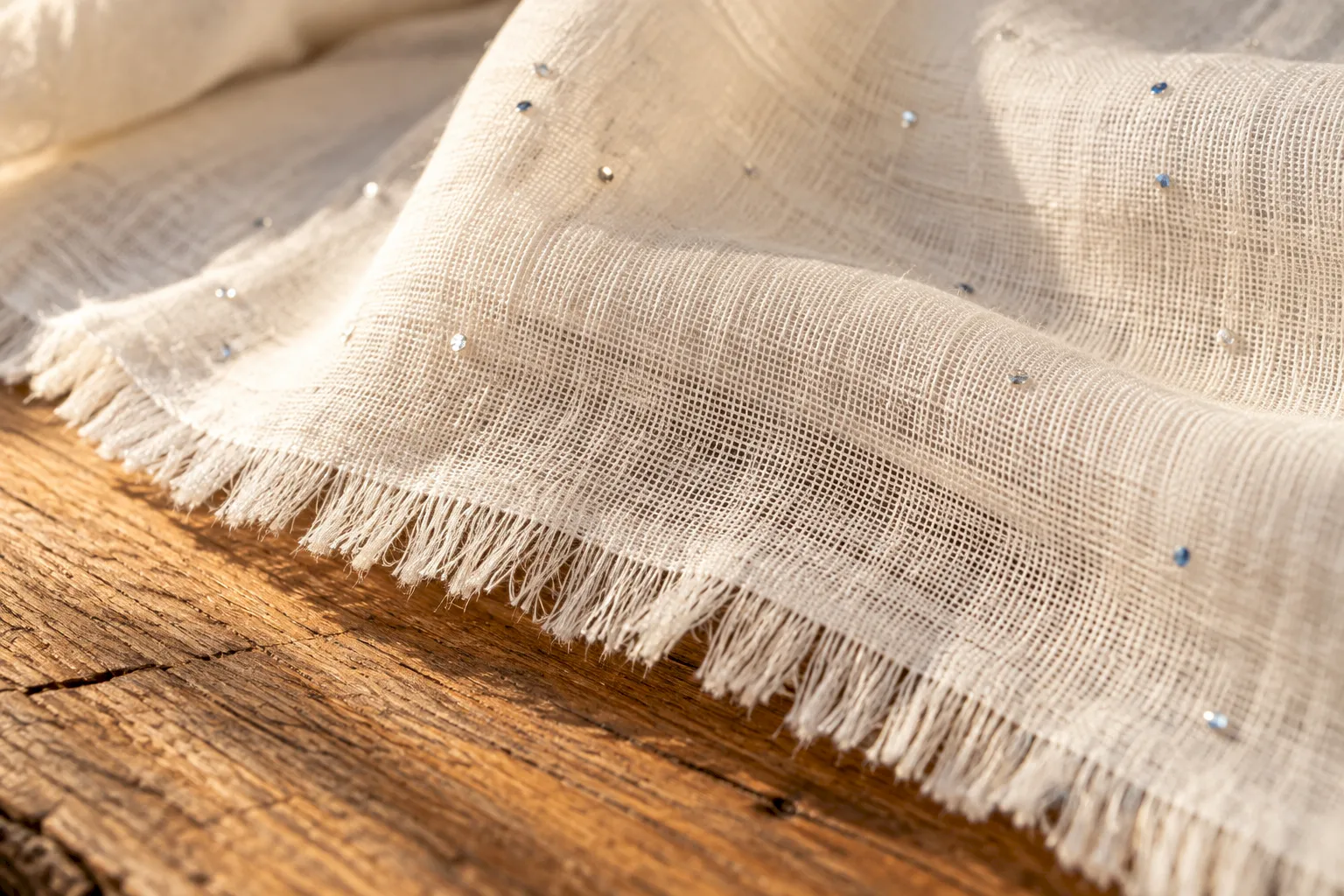
Knowing how to care for cashmere is the difference between a piece that stays soft and beautiful for a decade and one that looks tired after a season. The good news is that cashmere is not as fragile as its reputation suggests. It simply prefers a gentle, unhurried routine: rest between wears, minimal washing, careful handling and correct storage. Most of the damage people blame on the fibre is really caused by heat, friction, wringing or being hung on a hanger.
This guide covers everything: what to do after each wear, how to spot clean, when to dry clean, how to hand wash safely if the label allows, how to dry, how to remove pills, and how to store cashmere over the year. It applies to shawls, scarves, wraps, sweaters and throws. One important note first: always follow the care label on your own piece. Our pieces at VANYRA ATELIER are labelled dry clean only, so if you own one, use the dry cleaning guidance below and treat the hand-washing section as guidance for other cashmere items whose labels permit it.
Why Cashmere Needs Different Care
Cashmere is a protein fibre, chemically similar to human hair. It is very fine, which gives it softness and warmth, but that fineness also makes it more sensitive to heat, agitation and alkaline detergents. Hot water and rough handling cause the microscopic scales on the fibre to lock together, a process called felting, which shrinks and thickens the fabric permanently. Friction causes pilling, and hanging causes stretching.
The principle is to be gentle, cool and flat. Cool water, mild cleaning products, no wringing, no tumble drying and flat drying and folding.
Everyday Habits That Make the Biggest Difference
Rest between wears
Cashmere naturally recovers when it is allowed to rest. After wearing, lay the piece flat or drape it over a chair for a day or two before wearing again. The fibres relax and any creases fall out. Rotating pieces gives each one time to recover and reduces wear at friction points.
Air it out
Airing removes odours and moisture without any washing. Hang the piece in a well-ventilated room, away from direct sunlight, for a few hours. Cashmere resists odour better than many synthetic fibres, so most pieces need airing far more often than washing.
Avoid friction
Bag straps, seatbelts, rough jewellery and abrasive surfaces cause pilling. If you carry a bag on your shoulder, avoid wearing your favourite cashmere in the same place every day. Remove rings or bracelets with rough settings that can snag fibres.
Avoid perfume and deodorant contact
Spray perfume and deodorant before dressing, and let them dry, so they do not contact the fabric. Alcohol and chemicals in cosmetics can discolour fibres.
Fold, do not hang
Hanging cashmere on a hanger stretches the shoulders and distorts the shape over time. Fold pieces neatly and store them flat or stacked loosely. Shawls and wraps can be folded in thirds or rolled.
How to Spot Clean Cashmere
For a small mark, you rarely need to wash the entire piece. Work quickly, and always test on a hidden area first.
1. Blot the stain gently with a clean, dry, white cloth to lift as much as you can. Never rub, which pushes the stain into the fibres and roughens the surface.
2. Dampen a clean white cloth with cool water and a tiny amount of mild wool detergent.
3. Dab from the outside of the stain inwards to stop it spreading.
4. Blot with a cloth dampened with plain water to remove residue.
5. Press with a dry towel and leave to dry flat.
For greasy or set-in stains, or for a delicate hand-loomed piece, take it to a professional cleaner rather than risk making the mark worse.
Dry Cleaning Cashmere
Dry cleaning is the safest choice for shawls, wraps and any piece whose label says dry clean only. It avoids the felting risk from water and agitation.
Tips for dry cleaning cashmere:
- Choose a cleaner who is experienced with fine knitwear and natural fibres. Ask how they handle cashmere.
- Point out any stains and what caused them so the cleaner can treat them correctly.
- Do not over-clean. Frequent dry cleaning uses solvents that gradually strip natural oils. Once a season, or when the piece is actually soiled, is usually enough.
- Remove the plastic cover as soon as you get the piece home. Plastic traps moisture and can encourage mildew. Store in breathable cotton instead.
How to Hand Wash Cashmere (If the Label Allows It)
If the care label says hand wash or wool wash, you can clean cashmere at home safely.
What you need
- A clean basin or sink
- Cool water, around 30 degrees Celsius or cooler
- A mild wool or cashmere detergent, or a small amount of gentle baby shampoo
- Two clean, thick towels
Step by step
1. Fill the basin with cool water and add a small amount of detergent. Swirl to dissolve.
2. Turn the piece inside out, then submerge it and press gently so it is fully wet.
3. Soak for about ten to fifteen minutes. Do not scrub, twist or agitate.
4. Drain and rinse in clean cool water. Press gently and repeat until the water runs clear. Avoid running water directly onto the fibres.
5. Remove excess water by pressing the piece against the side of the basin. Never wring.
6. Roll in a towel. Lay the piece on a towel, roll the towel up with the piece inside and press to absorb moisture.
7. Dry flat on a fresh dry towel, reshaping to its original dimensions. Keep it away from direct sun, radiators and hairdryers.
Common mistakes
- Using hot water, which shrinks and felts the fibre.
- Using regular laundry detergent or biological products, which are too harsh.
- Wringing or twisting, which distorts and damages fibres.
- Hanging a wet piece, which stretches it.
- Tumble drying, which is a fast route to shrinkage.
Steaming and Removing Wrinkles
If a piece has creases from storage or travel, hang it in a bathroom while you run a hot shower, or use a garment steamer held a few centimetres from the surface. Avoid pressing directly with a hot iron. If you must iron, use the lowest heat, place a damp cloth between the iron and the fabric, and do not press hard.
How to Deal With Pilling
Some pilling is normal, particularly in the first few wears, and it does not mean poor quality. Remove pills gently:
- Lay the piece flat on a smooth surface.
- Use a cashmere comb or a fabric shaver designed for fine knits, working in light strokes.
- Never pull pills off by hand.
- Repeat as needed. Pilling usually reduces over time as the loose short fibres are removed.
We cover the reasons and prevention in detail in why cashmere pills.
Storing Cashmere Correctly
Good storage protects cashmere from moths, dust, damp and light.
- Clean before storing. Moths are attracted to body oils, food and perspiration residue.
- Use breathable covers. Cotton bags or acid-free tissue allow air movement. Avoid airtight plastic.
- Add natural deterrents. Cedar blocks and lavender sachets deter moths. Refresh them each season.
- Choose a cool, dry, dark place. Avoid damp cupboards and direct sunlight.
- Fold loosely. Refold along different lines occasionally to avoid permanent creases.
Our full storage guide, how to store woollens and prevent moth damage, goes into more detail.
A Simple Cashmere Care Routine
- After every wear: air the piece, check for marks, rest it for a day or two.
- Every few weeks in season: de-pill lightly with a cashmere comb.
- When marked: spot clean straight away.
- Once a season or when soiled: dry clean, or hand wash if the label allows.
- End of season: clean, dry thoroughly, and store folded in cotton with cedar or lavender.
Care Tips Specific to Shawls and Wraps
Shawls and wraps have fringes and large surface areas that need particular attention.
- Fringes: Do not pull or twist them. If they tangle, comb them gently with your fingers.
- Folding: Fold shawls in soft thirds and avoid sharp creases that cross the same lines repeatedly.
- Snags: If you catch a thread, do not pull it. Push it back through to the wrong side with a needle or take it to a repairer.
- Handling: Keep shawls away from rough surfaces and jewellery that can snag the weave.
Read more about styling and looking after your shawl in how to wear a shawl, and see the merino equivalent in caring for merino wool at home.
VANYRA ATELIER Care Guidance
Our pieces are hand-loomed and hand-finished, and our standard care instruction is: dry clean only, and store folded in a breathable bag away from direct sunlight. If you are ever unsure about a stain, a snag or a repair, contact our team and we will help. You can also see the answers to common questions on our FAQ page.
Frequently Asked Questions
How often should I wash cashmere?
Rarely. Air it between wears and spot clean marks. Full cleaning once a season or when it is actually soiled is usually enough.
Can I machine wash cashmere?
Some cashmere labels allow a gentle wool cycle in a mesh bag, but hand washing is safer and dry cleaning is safest for delicate pieces. Always follow the care label. Our own pieces are dry clean only.
Can I tumble dry cashmere?
No. Heat and tumbling cause shrinkage and felting. Always dry cashmere flat.
How do I get rid of the smell of cashmere that has been stored?
Air it in a well-ventilated room away from direct sun for a few hours. Cedar and lavender give a pleasant natural scent and deter moths.
Should I hang or fold cashmere?
Fold. Hanging stretches the shape, especially in sweaters and heavier knits.
How do I remove wrinkles from cashmere?
Steam it lightly or hang it in a steamy bathroom. If you iron, use the lowest heat with a damp cloth between the iron and the fabric.
Look After It and It Will Look After You
Cashmere rewards patience. A little rest, gentle handling, sensible cleaning and proper storage keep it soft and beautiful for years. Explore the VANYRA ATELIER collection, or read more about cashmere as a material.