MATERIALS / SILK
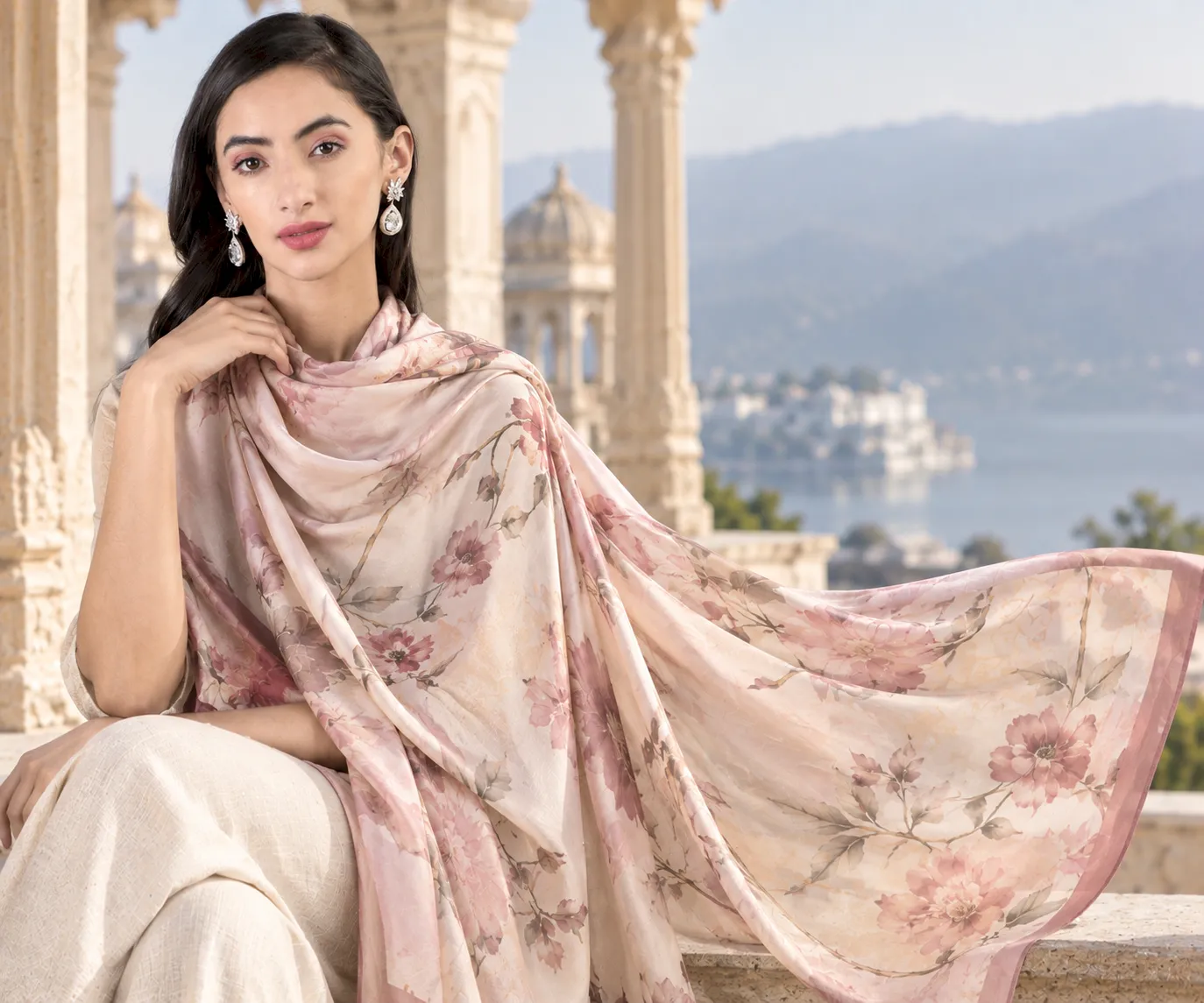
Silk — Origin, Character & Care
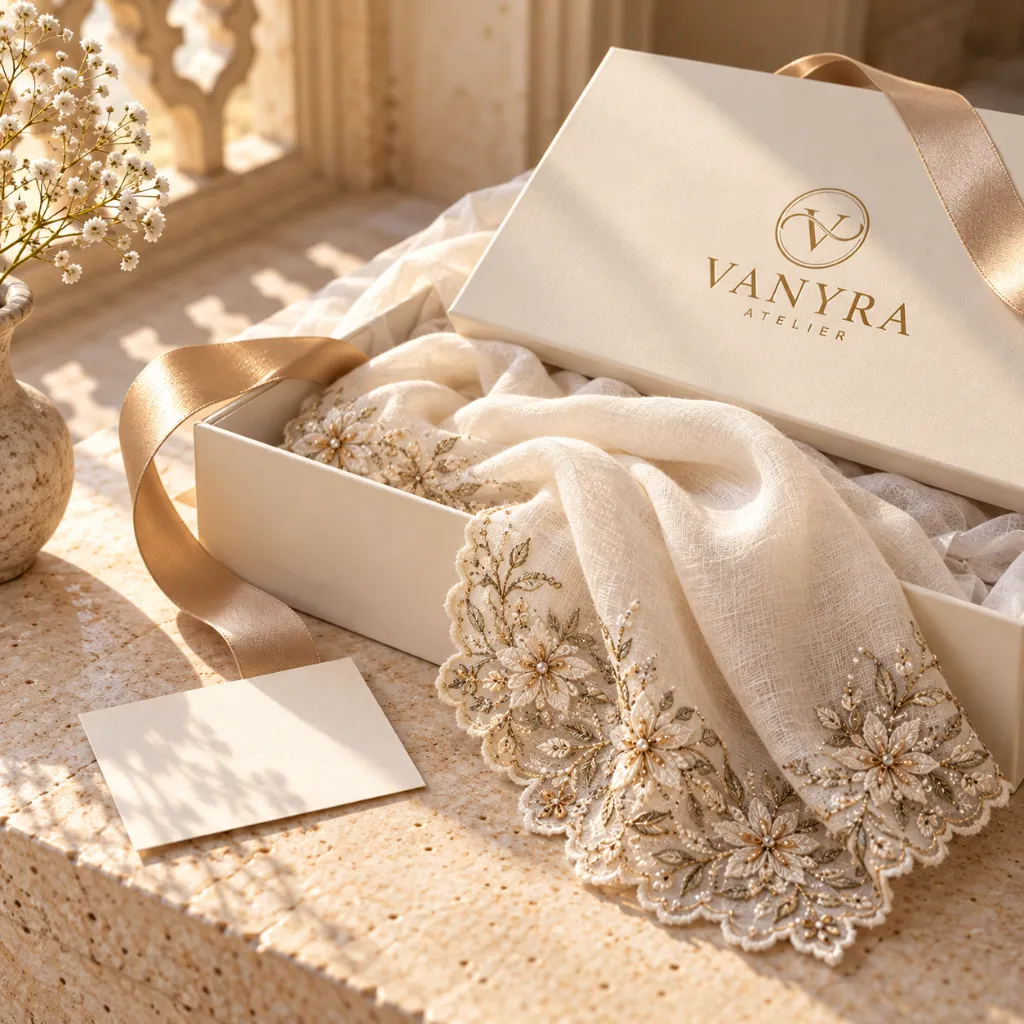
Luminous, fluid and light, our silk is prized for its natural sheen, drape and quiet radiance.
ORIGIN
Woven from mulberry silk fibre by artisan weaving communities practising techniques refined over generations.
CARE
Dry clean recommended. Avoid direct sunlight for prolonged periods and store away from moisture.
SHOP SILK →The Silk guide
- FIBRE
- A natural protein fibre spun by silkworms into cocoons. Mulberry silk, from Bombyx mori silkworms, is the best known luxury silk. India also has wild silks such as tussar, eri and muga.
- MOMME
- Momme is the traditional unit for the weight and density of silk fabric. A higher momme means a heavier, denser, more durable silk. Light silks sit around 8 to 12 momme, and 14 to 16 momme is common for scarves and blouses.
- WEAVE
- Twill has body and holds a knot; satin is glossy and fluid; habotai is light and plain; chiffon is sheer. The weave changes how silk drapes and how warm it is.
- WARMTH
- Silk is a natural insulator that breathes. It works best as a layer, under wool or cashmere, or as a scarf.
- FINISH
- Careful washing, pressing and hand finishing of edges give silk its fluid drape and soft lustre.
What to look for
- A composition label that states pure silk or the exact blend
- A smooth, cool touch that warms against the skin
- A clean, even weave and neat rolled or finished edges
- A weight, and a momme figure where the maker can support it, that suits the intended use
How to care for it
- Follow the care label; ours are dry clean only
- Keep away from perfume, deodorant and hairspray
- Avoid prolonged direct sunlight, which can fade dyes
- Blot spills and never rub
- Store loosely folded in acid-free tissue and protect from moths
Read more in the Journal
- Silk: origins and character
- Is silk warm? Momme explained
- How to tie a silk scarf
- How to store woollens and prevent moth damage
General fibre information. For the exact composition, size and care of a specific piece, see its product page or ask our team.