Is Silk Warm? Momme Explained and How to Wear Silk in Winter
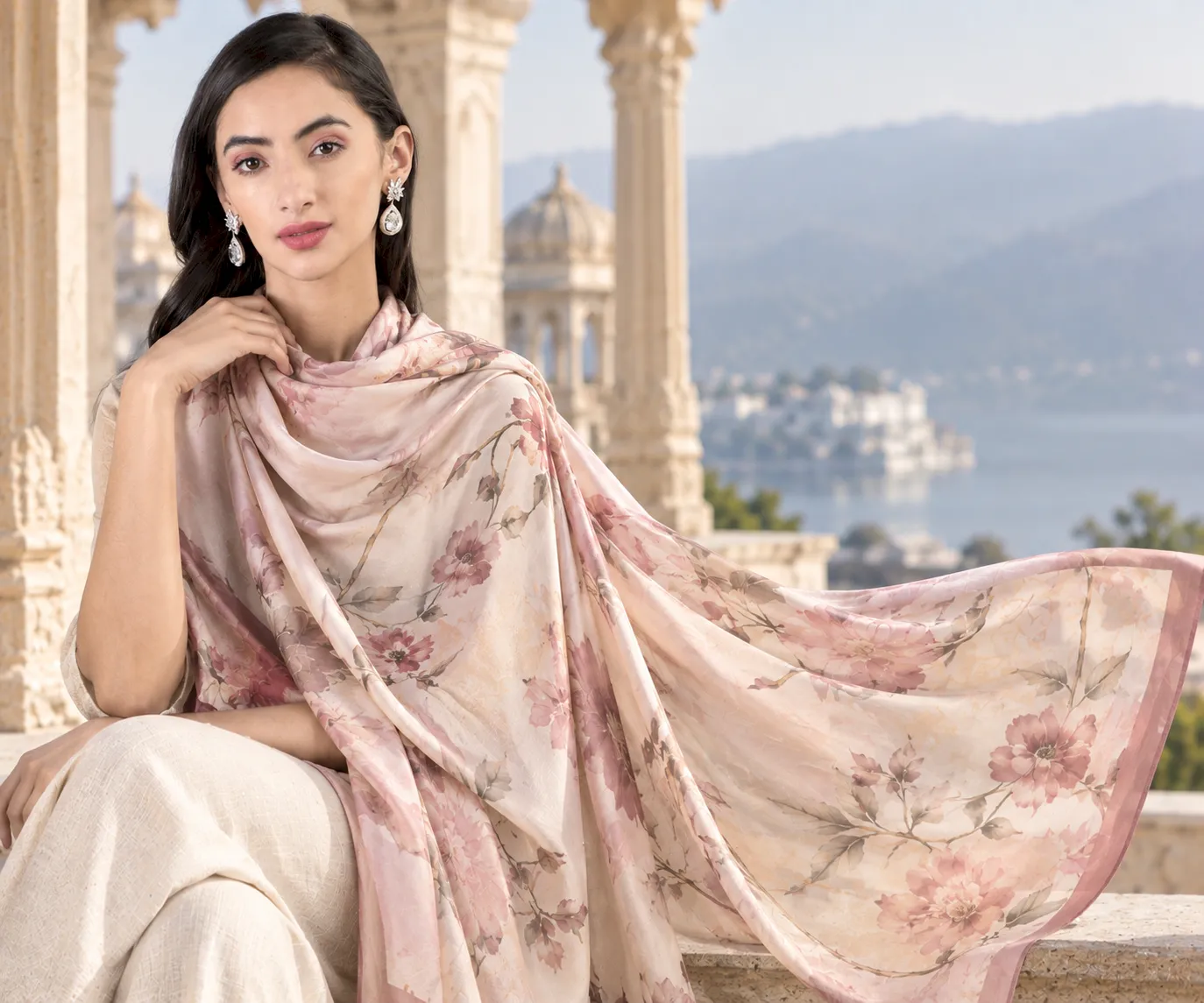
Silk has a reputation as a summer fabric, cool, light and elegant, so the question "is silk warm?" surprises many people. Yet silk has been worn in cold climates for centuries, and it is a genuinely useful winter fibre when used well. It is a natural insulator, it feels wonderful against the skin, it layers beautifully under wool and cashmere, and it weighs almost nothing. The trick is understanding what silk does well, what it does not, and how to choose the right kind.
This guide explains how silk keeps you warm, what "momme" means and why it matters when comparing silks (including 14 momme vs 16 momme), how different types of silk compare, and practical ways to wear silk through winter. It also covers care and how to choose a silk piece worth keeping. For background on the fibre itself, see silk: origins and character and our silk material page.
What Is Silk?
Silk is a natural protein fibre produced by silkworms to make their cocoons. The best known is mulberry silk, produced by the silkworm Bombyx mori, which feeds on mulberry leaves. Each cocoon is made of a single continuous filament that can be very long, which is why silk yarn is so smooth and strong for its fineness.
Silk is a protein fibre, chemically related to wool and cashmere, which is why it shares some of their properties: it takes dye well, it feels good against the skin and it is vulnerable to moths and to harsh treatment.
Is Silk Warm? The Honest Answer
Yes, silk provides warmth, but in a different way from wool or cashmere, and with limits.
How silk keeps you warm
- It is a natural insulator. Silk fibres are fine and smooth and trap a thin layer of air near the skin.
- It regulates temperature. Silk breathes and moves moisture away from the skin, so it is comfortable across a range of conditions and less likely to feel clammy.
- It is close-fitting and windproof to a degree. A tightly woven silk scarf blocks a little wind and holds warmth around the neck.
- It adds warmth as a layer. Worn beneath other layers, silk adds a smooth insulating layer without bulk.
What silk does not do
- It is not as insulating as a thick wool or cashmere layer on its own. Silk alone will not replace a coat.
- Very light silk chiffon or georgette provides little warmth. Heavier weaves do better.
- It can feel cool on first contact because of its smooth surface, though it warms quickly against the skin.
In short, silk is a fine warmth-adding layer, a comfortable base and a good accessory. For real cold, combine it with wool or cashmere. See our comparison of cashmere vs merino wool for the warmer partners.
What Is Momme?
Momme, abbreviated mm, is the traditional Japanese unit used to describe the weight and density of silk fabric. One momme is a weight of 3.75 grams for a specific area of fabric. More practically, the higher the momme, the heavier, denser and more substantial the silk.
Momme is used mostly for silk that is woven flat, such as charmeuse, habotai and twill. It is a useful guide to how a fabric will feel and behave.
Typical momme ranges
- Around 8 to 12 momme: very light, sheer or airy silk, such as chiffon, habotai and some scarves. Delicate and prone to snags.
- Around 14 to 16 momme: lightweight to medium-weight silk, common in blouses, scarves and linings. Smooth, fluid and comfortable.
- Around 19 momme and above: medium to heavy silk, with a richer, more opaque and more durable feel. Used in premium garments, bedding and heavier scarves.
- Around 22 momme and above: heavy, luxurious and very durable, especially in bedding and structured pieces.
These ranges are general conventions, and the exact use of terms varies by product.
14 momme vs 16 momme
The difference between 14 and 16 momme is real but subtle. A 16 momme silk is slightly heavier and denser, with a little more body and opacity. A 14 momme silk is lighter and flows more easily. Neither is better in itself.
- Choose 14 momme for light scarves, summer blouses and linings where softness and movement matter most.
- Choose 16 momme for garments and scarves where a little more body, better opacity and slightly better durability are useful.
- Choose higher momme for pieces that need to look substantial or last through heavy use, and for winter use where extra weight is welcome.
Momme is helpful but not the whole picture. Weave, finish, fibre quality and construction matter too. Publish or rely on momme figures only where they genuinely apply to the specific piece.
Types of Silk
Mulberry silk
The most common luxury silk, produced by domesticated Bombyx mori silkworms fed on mulberry leaves. It has a fine, uniform, smooth filament and a beautiful sheen. When people say "pure silk", they usually mean mulberry silk.
Tussar and other wild silks
Tussar silk, often called tasar, comes from wild or semi-wild silkworms. It is coarser, more textured and has a natural golden or beige tone. It is valued for its earthy character and is used widely in Indian textiles.
Eri silk
Eri silk is sometimes called peace silk because the moth can leave the cocoon before it is harvested, so the fibre is spun rather than reeled. It is soft and warm, with a wool-like feel, and often used in shawls and wraps in northeast India.
Muga silk
Muga is a golden-toned silk unique to Assam, known for its natural sheen and durability. It is one of the region's celebrated textiles.
India has a rich variety of silk traditions, with regional weaves and styles across the country. Each has its own character and suits different uses.
Weave and Finish Matter
The same silk fibre can become very different fabrics.
- Twill has a diagonal weave, good drape and durability. It holds knots well, which is why it is common for scarves.
- Satin or charmeuse has a glossy face and fluid drape but can snag more easily.
- Habotai is a light, plain-weave silk, soft and versatile.
- Chiffon and georgette are sheer and airy, decorative more than warm.
- Crepe has a slightly pebbled surface and good drape.
For winter, twill and heavier crepe weaves offer the most practical warmth.
How to Wear Silk in Winter
As a base layer
A silk blouse or fine silk layer next to the skin adds a little insulation and keeps the layers above it from scratching. It is comfortable and light.
Under wool and cashmere
Silk reduces friction between skin and knitwear, and it helps knitwear glide, which can reduce pilling on the sleeves. It also feels luxurious against the skin.
As a scarf
A silk scarf around the neck under a coat closes the gap at the collar and adds warmth without bulk. Learn twelve ways to wear one in how to tie a silk scarf.
As part of a capsule
Silk pieces can anchor a small winter wardrobe. Combine a silk blouse with a cashmere sweater and a wool coat for warmth and elegance. See how to build a capsule winter wardrobe.
In Indian winters
Silk has a long place in Indian dress, from sarees to shawls and scarves. In mild winters, it may be all you need under a light wrap. In colder regions, it makes an excellent layer beneath a cashmere shawl. Our article on what to wear in an Indian winter explains layering by region.
Silk Pieces to Look At
The Champagne Silk scarf is a neutral piece that works over knitwear and under coats. The Amara Wrap Blouse is a silk garment that layers beautifully. The Amber Drape silk throw brings silk into the home. You can see the whole range in our silk collection.
How to Care for Silk
- Follow the care label. Many silks are best dry cleaned.
- Keep silk away from perfume, deodorant and hairspray. They can leave marks.
- Avoid prolonged direct sunlight. UV can fade and weaken silk.
- Do not wring or rub. Blot spills and let dry.
- If hand washing is allowed, use cool water and a mild detergent, rinse well and dry flat away from heat.
- Iron on a low, silk setting with a cloth between the iron and the fabric.
- Store folded in acid-free tissue or hung on padded hangers, and protect against moths. See how to store woollens and prevent moth damage.
Sustainability and Ethics of Silk
Silk is a natural, biodegradable fibre, and a well-made silk piece can last many years. Production, however, involves silkworms, and some people avoid silk for ethical reasons. Alternatives such as eri silk are produced in ways that allow the moth to emerge. If this matters to you, ask the seller how a piece was made. Our article on sustainable luxury and natural fibres discusses broader considerations.
Frequently Asked Questions
Is silk warm enough for winter?
Silk is a good insulating layer, particularly when worn under wool or cashmere, but on its own it is not as warm as a thick wool or cashmere garment. Heavier weaves offer more warmth.
What does momme mean in silk?
Momme is the traditional unit used to describe silk's weight and density. A higher momme means a heavier, denser and generally more durable silk.
What is the difference between 14 momme and 16 momme silk?
A 16 momme silk is slightly heavier, denser and more opaque than a 14 momme silk, while 14 momme is lighter and flows more easily. Neither is universally better; choose according to the use.
Is mulberry silk the best silk?
Mulberry silk is the most common luxury silk, prized for its fine, uniform filament and sheen. Other silks, such as tussar, eri and muga, have their own qualities and suit different uses.
Is silk warmer than cotton?
Silk generally insulates better than cotton, especially when dry, and handles moisture well. It is a comfortable layer in cool weather.
Can I wear silk in cold weather?
Yes, as a base layer, a scarf or a layer under wool and cashmere. Combine it with warmer fibres for real cold.
Add a Little Silk to Winter
Silk is a quiet winter ally: light, smooth, breathable and elegant. Explore the VANYRA ATELIER collection, or contact us if you would like help choosing a silk piece.