Kimono Cardigan Styling Guide
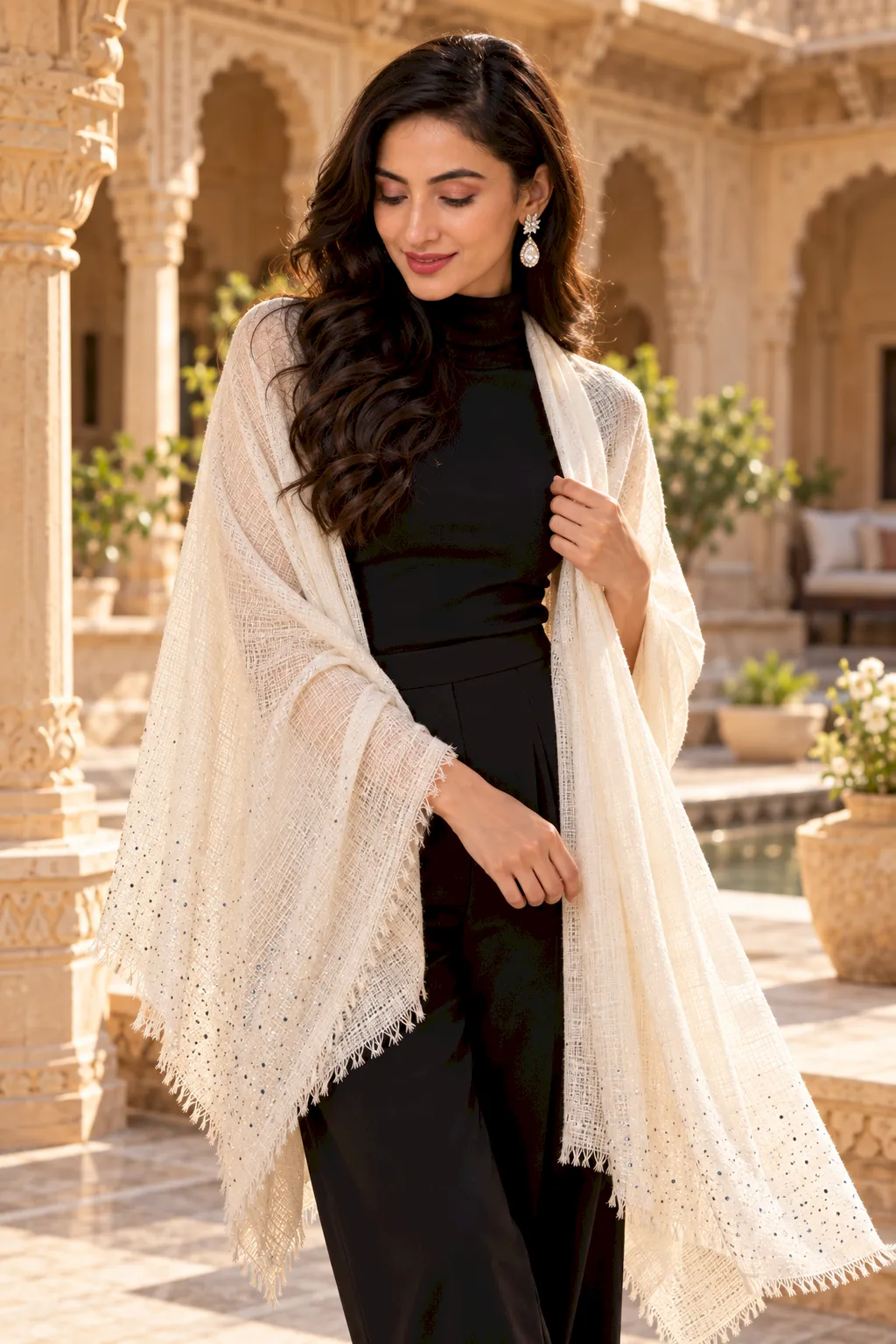
The kimono cardigan borrows its name and silhouette from the traditional Japanese kimono, a wide, straight-cut robe, reinterpreted here as a casual, open knitwear layer rather than a formal, structured garment. Understanding what distinguishes it helps you style it in a way that actually flatters its particular shape.
What Makes a Kimono Cardigan Different From a Standard Cardigan
A standard cardigan typically has a closer, more fitted silhouette through the body, with set-in sleeves and often a button or zip closure running the full front length. A kimono cardigan, by contrast, usually has a wider, straighter cut through the body, dropped or looser sleeves, and little to no functional closure, designed to be worn open as a draping, layered piece rather than buttoned up as a more fitted garment. This gives it a distinctly different silhouette, more relaxed and flowing, closer in spirit to a wearable wrap than to a traditional structured cardigan.
Why Fit Underneath Matters So Much With a Kimono Cardigan
Because a kimono cardigan itself carries significant volume through its wide cut and dropped sleeves, what you wear underneath has an outsized effect on the overall silhouette. A simple, more fitted top or dress underneath lets the kimono cardigan's own drape and volume read clearly as the outfit's defining shape, creating an intentional, balanced silhouette. Layering it over another loose or voluminous piece tends to create an overall shapeless effect, losing the kimono cardigan's distinctive drape within a general sense of excess fabric.
Styling for Different Occasions
For casual daytime wear, a kimono cardigan over a simple fitted t-shirt and jeans creates an easy, relaxed look with genuine visual interest from the cardigan's own shape and drape, without requiring much additional styling effort.
For a smarter, more considered look, pair a kimono cardigan over a simple, fitted dress or a tailored trouser and fitted top combination, letting the cardigan function almost as an open outer layer rather than loungewear.
For travel, a lightweight cashmere kimono cardigan offers an easy, comfortable layer that can be put on or removed quickly without the fiddly process of unbuttoning a traditional cardigan, genuinely useful through airport security or temperature changes on a flight.
Colour and Pattern Considerations
Given the kimono cardigan's generous volume, a bold colour or pattern reads as a genuinely significant style statement, more so than the same pattern on a more fitted, lower-volume garment, simply because there is more visible fabric to carry the pattern. If you want the piece to function versatily across many outfits, a solid, neutral colour lets it pair easily with whatever you are wearing underneath. If you specifically want a statement piece, the kimono cardigan's generous silhouette is an excellent canvas for a bolder colour or pattern.
Length Considerations
A kimono cardigan's length significantly affects its overall styling. A shorter, hip-length version reads more casually and pairs easily with jeans or trousers for everyday wear. A longer, closer to floor-length version has a more dramatic, elegant character, suited to styling over a simple dress for a more striking, occasion-appropriate silhouette.
Fibre Choice for a Kimono Cardigan
A cashmere or cashmere-blend kimono cardigan offers genuine warmth alongside the silhouette's characteristic drape, since cashmere's natural softness and fluidity suit a piece meant to flow and move rather than hold a rigid shape. A lighter weight cashmere drapes with particularly graceful movement, while a slightly heavier knit offers more standalone warmth for a kimono cardigan intended as a near-outer layer in cooler weather.
Caring for a Kimono Cardigan
The same core principles covered in our guide to caring for cashmere apply: follow the specific care label, generally cool water or dry cleaning, gentle handling, and flat drying, reshaping the piece's characteristic wide silhouette while damp to help it return to its intended drape rather than losing shape during drying.
Layering a Kimono Cardigan Through a Full Day
Because a kimono cardigan is worn open rather than relying on buttons to hold its shape, it is a genuinely easy piece to add or remove through a day without disrupting the rest of your outfit, unlike a fitted cardigan that needs to be carefully buttoned and unbuttoned each time. This makes it a particularly practical choice for a day that moves between warmer indoor spaces and cooler outdoor ones, since you can simply slip it on over your shoulders or carry it draped over an arm without the fuss of a more structured layer. For travel specifically, this same ease makes a lightweight cashmere kimono cardigan a genuinely practical companion, easy to put on during a cool flight and just as easy to remove once you land somewhere warmer.
Transitioning a Kimono Cardigan Between Seasons
A kimono cardigan in a lighter weight cashmere works well across a surprisingly wide temperature range precisely because it is worn open and layered rather than relied upon as a sole source of warmth. In cooler months, layer it over a long-sleeved top or a lightweight jumper for extra warmth; in milder weather, wear it over a simple short-sleeved top as a light, elegant outer layer on its own. This versatility across seasons is part of what makes a well-chosen kimono cardigan a genuinely useful addition to a considered, purpose-built wardrobe, a principle covered more generally in our guide to how many scarves you actually need, which applies just as well to thinking carefully about versatile layering pieces beyond scarves specifically.
Chosen and styled thoughtfully, it earns its place as a genuinely distinctive piece rather than simply another cardigan in the rotation.
Frequently Asked Questions
Does a kimono cardigan usually close with buttons?
Rarely. Most kimono cardigans are designed to be worn open, draping loosely rather than fastening closed, which is part of what distinguishes the silhouette from a traditional cardigan.
What should I wear underneath a kimono cardigan?
A simpler, more fitted top, dress or bottom, since this lets the cardigan's own volume and drape read clearly rather than creating an overall shapeless silhouette when layered over other loose pieces.
Is a kimono cardigan suitable for formal occasions?
A longer, more elegant version in a fine fibre like cashmere, styled over a simple fitted dress, can work well for smart-casual and some more formal occasions, though shorter, more casual versions generally suit everyday wear better.
Should a kimono cardigan be a bold pattern or a solid colour?
This depends on how versatile you want the piece to be. A solid, neutral colour pairs easily with more outfits, while a bold pattern makes a more deliberate style statement, suited to someone who wants a genuine statement piece.
How should a cashmere kimono cardigan be dried after washing?
Lay it flat and reshape the characteristic wide silhouette by hand while still damp, helping it dry back into its intended drape rather than losing shape.
Explore Our Knitwear
Browse our Garments Knitwear collection for kimono cardigans and other relaxed, draping layers.