Parsi Gara Embroidery, Explained
Embroidery names on a product label often mean little without context. Parsi Gara is a specific, historically rooted technique with real craftsmanship behind it, and understanding what it actually involves helps you judge whether a piece genuinely carries that craftsmanship or simply borrows the name.
Where Parsi Gara Comes From
The Parsi community, descendants of Zoroastrians who migrated to India from Persia centuries ago, developed Gara embroidery through trade connections with China, where Parsi merchants encountered Chinese silk embroidery techniques and began commissioning embroidered silk for sarees brought back to India. Over generations, this blended with Persian and Indian artistic sensibilities, producing a distinct style recognisably different from either its Chinese or purely Indian embroidery roots.
Recognising Parsi Gara Motifs
Classic Parsi Gara embroidery favours nature-inspired motifs: birds, particularly cranes and peacocks, delicate flowers, trailing vines, and sometimes pagoda-style architectural details reflecting the Chinese influence on the tradition. These motifs are typically worked in fine silk thread, often in a single colour or a closely related tonal palette, producing a refined, detailed effect rather than the bold, high-contrast colour combinations seen in some other Indian embroidery traditions.
The Stitching Technique Itself
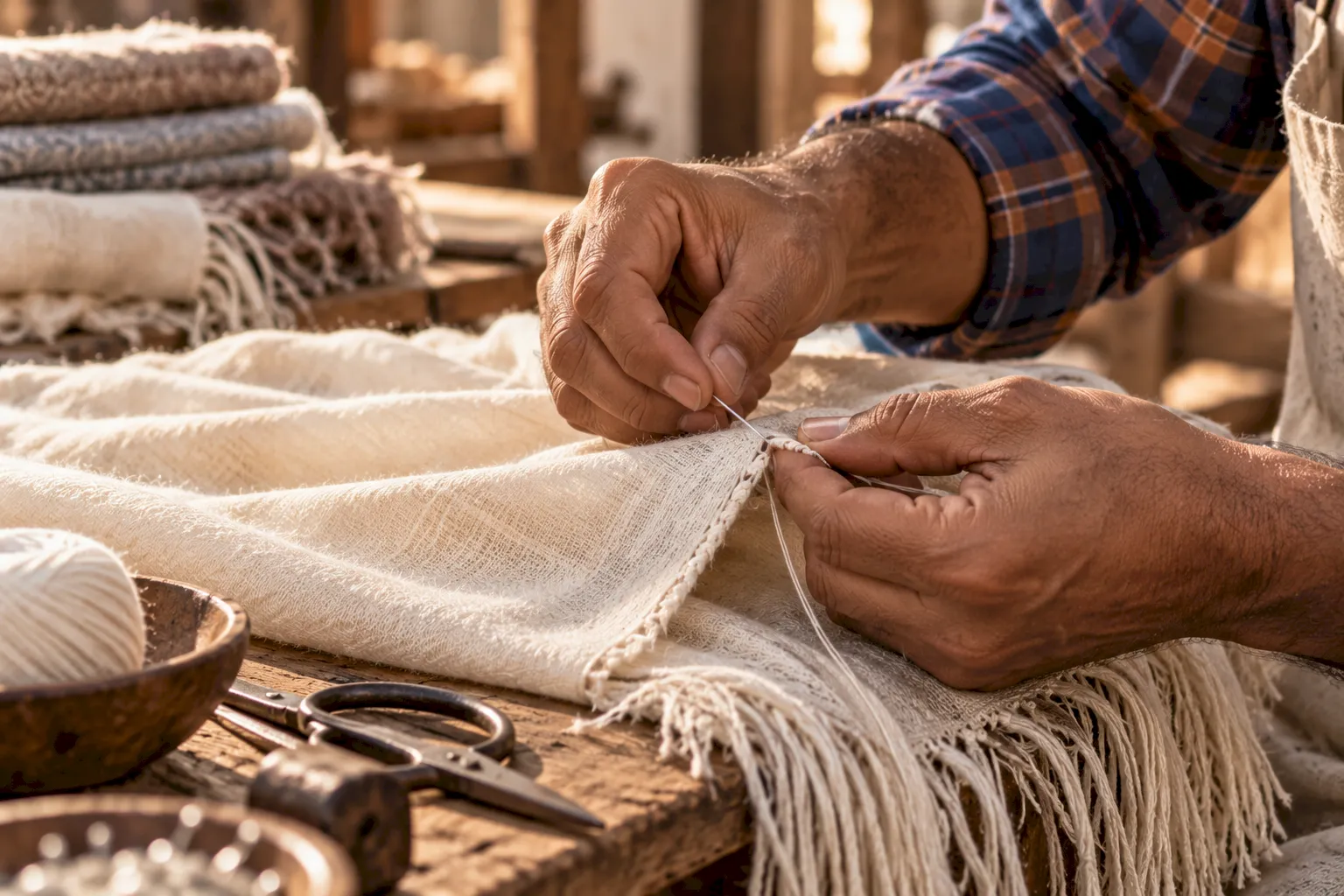
Genuine Parsi Gara work is done entirely by hand, using a fine needle and silk thread, with artisans trained specifically in this technique often taking months to complete a single elaborately embroidered saree border or panel, depending on the density and intricacy of the design. The stitches are typically small and closely worked, building up the motif gradually rather than being outlined and filled in a single pass, which is part of why the finished texture has a distinctive raised, dimensional quality when you run a hand across it.
Why Genuine Parsi Gara Costs More
The cost of authentic Parsi Gara embroidery reflects genuine, slow, skilled hand labour, not simply a brand premium. A single piece can represent weeks or months of an artisan's time, and this craft tradition has a genuinely limited number of practitioners trained in it specifically, since it is a specialised skill passed down through particular communities and workshops rather than a widely taught general embroidery technique. This scarcity of skilled practitioners is a real factor in pricing, separate from the time cost alone.
How to Tell Genuine Hand Embroidery From a Machine Imitation
Examine the back of the fabric, if possible. Hand embroidery typically shows slightly irregular stitch tension and thread tails on the reverse side, while machine embroidery tends to show a more uniform, repetitive pattern on the back that closely mirrors the front.
Look closely at stitch consistency. Genuine hand work, while generally very fine, will show slight, human variation between stitches when examined closely. A perfectly uniform, mechanical-looking repetition across a large area is more likely to be machine-made.
Ask the seller directly. A seller offering genuine Parsi Gara work should be able to describe the specific technique, approximately how long a piece took to complete, and ideally something about the artisan or workshop involved. Vague answers are worth treating with scepticism, a principle also covered in our broader guide to buying luxury accessories online safely.
Caring for Parsi Gara Embroidered Pieces
Because the silk thread embroidery sits on top of the base fabric and can be damaged by water, agitation or harsh detergent, professional dry cleaning is strongly recommended over home washing for any genuinely embroidered Parsi Gara piece. Store it folded with the embroidered section protected by a layer of acid-free tissue, avoiding direct pressure or friction against the delicate raised stitching, broadly consistent with the principles covered in our guide to storing a silk scarf properly.
Parsi Gara Versus Other Embroidery Traditions
Parsi Gara is often mentioned alongside other Indian hand embroidery traditions such as Zardozi, which uses metallic thread and is a visually very different, more opulent technique, covered in our separate guide to Zardozi embroidery. Where Zardozi tends toward bold, metallic, often bridal-weight embellishment, Parsi Gara favours a more refined, delicately detailed, tonal aesthetic, making the two traditions suited to genuinely different occasions and personal styles rather than one being simply a finer or coarser version of the other.
Why Parsi Gara's History Matters to How You Evaluate a Piece
Understanding Parsi Gara's specific origin, within a particular community, shaped by a particular set of historic trade relationships, is not just interesting background; it genuinely affects how you should evaluate a piece claiming the name. A design that borrows loosely from Chinese-influenced floral motifs without any connection to the actual Parsi embroidery tradition or trained artisans is using the name as a loose aesthetic descriptor rather than an accurate craft label, similar to how the word pashmina is sometimes used loosely in the broader cashmere market, a parallel discussed in our article on what pashmina actually is. Knowing the specific history gives you a more precise basis for the kind of specific questions worth asking a seller.
Collecting and Valuing Parsi Gara Pieces Over Time
Because genuine Parsi Gara embroidery represents such a significant investment of skilled hand labour, well-cared-for pieces are often kept and valued across generations within families, treated less as a single-season fashion purchase and more as a piece with lasting significance. If you are drawn to Parsi Gara specifically for this reason, it is worth prioritising proper care and storage from the very beginning, following the principles covered above, rather than treating a first piece casually and only becoming more careful with later purchases.
Frequently Asked Questions
What makes Parsi Gara embroidery distinctive?
Its blend of Chinese silk-thread embroidery technique with Persian and Indian motifs, developed within India's Parsi community through historic trade links with China, typically featuring birds, flowers and trailing vines in fine silk thread.
Why is genuine Parsi Gara embroidery expensive?
It is entirely hand-done, often taking weeks or months to complete a single elaborate piece, and the number of artisans trained specifically in this technique is genuinely limited, both factors reflecting real scarcity and labour rather than brand markup alone.
How can I tell if Parsi Gara embroidery is genuinely hand-done?
Examine the back of the fabric for slightly irregular stitching, typical of hand work, compared with the more uniform, repetitive pattern typical of machine embroidery. Asking the seller specific questions about the technique and artisan is also worthwhile.
Is Parsi Gara the same as Zardozi embroidery?
No. Zardozi uses metallic thread for a bold, opulent effect, while Parsi Gara uses fine silk thread for a more refined, tonal, detailed aesthetic. They are distinct traditions suited to different styles and occasions.
How should a Parsi Gara embroidered piece be cleaned?
Professional dry cleaning is strongly recommended over home washing, since water and agitation can damage the delicate silk thread embroidery.
Explore Embroidered Pieces
Browse our saree collection to see Parsi Gara and other hand-embroidered techniques, or read our guide to Zardozi embroidery to compare traditions.