Yak Wool vs Cashmere: What's the Difference?
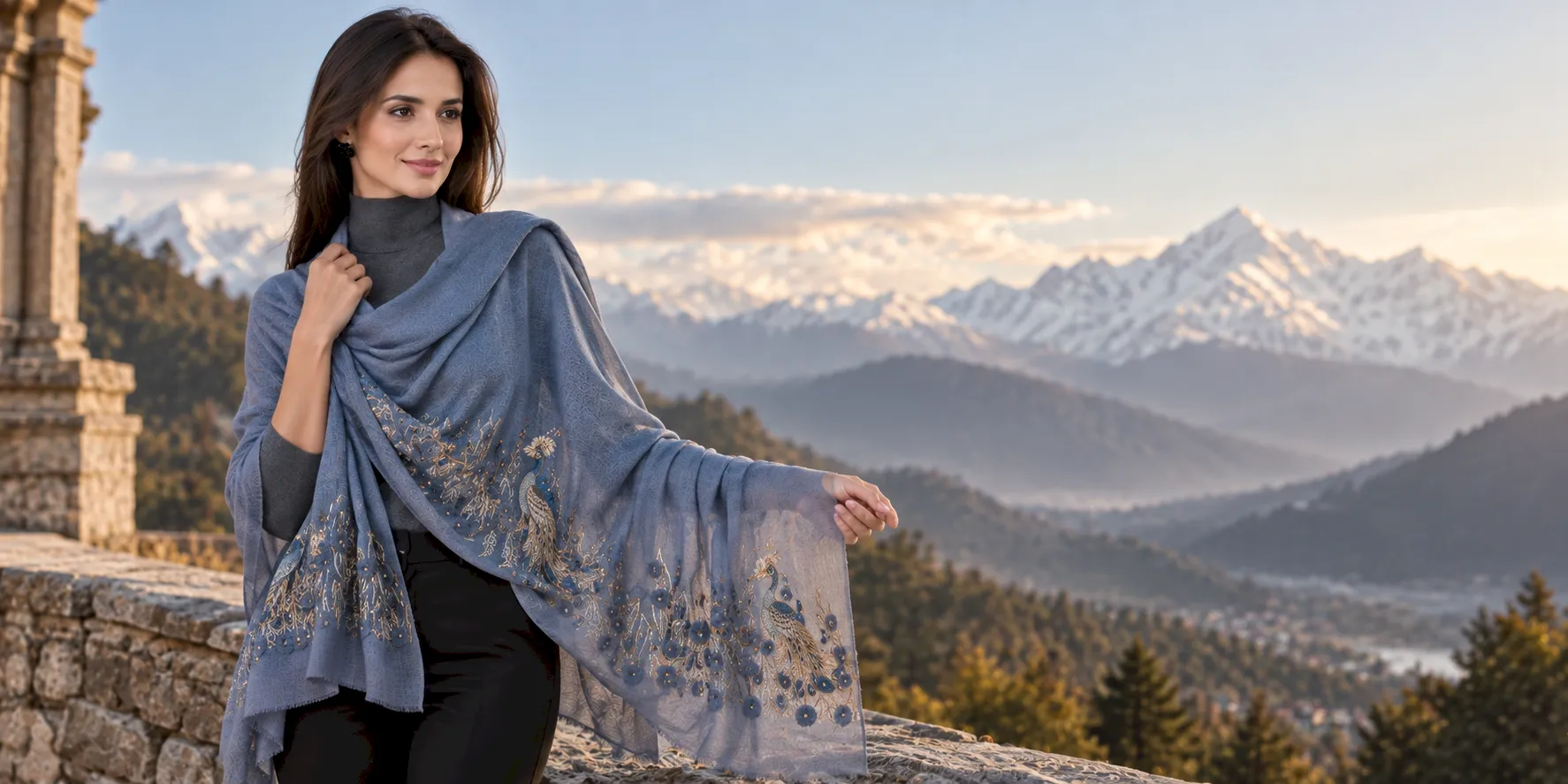
Yak wool is a less commonly discussed natural fibre than cashmere, merino wool or silk, but it has real, distinct qualities worth understanding, particularly as it appears more often in natural fibre scarves and wraps.
Where Yak Wool Comes From
Yaks are large, long-haired animals native to the high-altitude plateaus of Central Asia, particularly Tibet, Mongolia and parts of the Himalayan region, adapted to extremely cold, harsh mountain conditions. Like cashmere goats, yaks grow a soft, fine undercoat beneath a coarser outer coat specifically to survive severe winter cold, and it is this fine undercoat, combed or collected during the animal's natural moulting season, that is processed into yak wool yarn, similarly to how cashmere fibre is collected.
How Yak Wool Compares to Cashmere in Hand Feel
Yak wool shares cashmere's fundamental softness and fine fibre diameter, since both fibres evolved for the same basic purpose, insulating an animal against extreme cold. However, many people notice a subtle textural difference: yak wool often has a slightly more matte, textured quality compared with cashmere's characteristic smooth softness, and some describe yak wool as having a marginally more rustic, grounded hand feel, while cashmere tends toward a more refined, silky softness. Neither quality is better in any absolute sense; the difference is closer to a style preference than a quality distinction.
Warmth and Durability Compared
Yak wool is prized for being genuinely warm relative to its weight, broadly comparable to cashmere in this respect, since both fibres evolved for the same extreme cold-weather insulating purpose. Where yak wool sometimes has a practical edge is in natural resilience; the fibre is often considered slightly more hard-wearing than cashmere under repeated use, making yak wool or yak-cashmere blend pieces a reasonable choice for someone who wants cashmere-like warmth with a bit more built-in durability for frequent, everyday wear.
Colour and Natural Character
Yak wool is traditionally available in its natural, undyed colour, typically a warm, earthy brown or grey tone, and pieces celebrating this natural, undyed character have a genuinely different aesthetic from the wide colour range typical of dyed cashmere. If you appreciate the honest, unprocessed character of a fibre in its natural state, undyed yak wool offers this in a way that is harder to find in most modern cashmere, which is far more commonly dyed into a broad palette of colours.
Price Considerations
Yak wool is sometimes, though not universally, priced somewhat more accessibly than comparable-grade cashmere, partly reflecting differences in global supply chains and relative market demand between the two fibres, rather than any fundamental difference in the quality or craftsmanship involved in producing a genuinely fine yak wool piece. This makes yak wool worth considering specifically if you are drawn to its particular texture and character and want to explore a distinct natural fibre option, our cashmere pricing guide remains useful background for understanding what drives price in comparable natural fibre pieces generally.
Yak-Cashmere Blends
Some pieces combine yak wool and cashmere in a single yarn, aiming to capture cashmere's refined softness alongside yak wool's natural resilience. This can be a genuinely sensible combination for a piece intended for frequent, everyday wear, offering a middle ground between the two fibres' individual characteristics rather than requiring you to choose one exclusively.
Caring for Yak Wool
Yak wool generally follows very similar care principles to cashmere, given the fibres' similar fine, delicate structure: cool water or dry cleaning depending on the specific care label, gentle handling without wringing, and flat drying away from direct heat and sunlight, following the same core guidance in our article on caring for cashmere.
Sourcing and Sustainability Considerations
Yak herds are traditionally managed by nomadic and semi-nomadic communities across the high-altitude regions where yaks live, with fibre collection typically happening during the animal's natural seasonal moult rather than through shearing, similar in spirit to how the finest cashmere is traditionally combed rather than cut. This means genuine yak wool production tends to be a smaller-scale, more traditional practice than large-scale commercial wool farming, which some buyers find appealing for the same reasons they are drawn to hand-loomed, small-batch cashmere production, discussed in our craftsmanship story. As with any natural fibre, the specific sourcing and labour practices behind a given piece vary by producer, and the same principles covered in our guide to ethically made scarves apply equally to evaluating yak wool sourcing claims.
Why Yak Wool Remains Less Widely Known Than Cashmere
Despite its genuinely comparable warmth and softness, yak wool has nowhere near cashmere's global market recognition or supply chain scale, partly because yak herding is concentrated in a smaller number of specific high-altitude regions, and partly because cashmere simply established itself earlier and more broadly in international luxury fashion markets. This relative obscurity does not reflect any quality shortfall; it is more a matter of market history and scale than the fibre's actual merit, and it is part of why yak wool pieces can feel like a genuine discovery to someone encountering the fibre for the first time.
A Simple Way to Decide Between Them
If you are choosing between the two fibres for a specific piece and cannot compare them directly in person, let your priorities guide the decision: choose cashmere if a smooth, refined softness and the widest possible colour range matter most to you, and choose yak wool if you are drawn to a slightly more textured, matte character, natural undyed tones, or simply want to experience a genuinely distinct natural fibre beyond the more familiar cashmere and merino wool options.
Either way, both fibres reward genuine hands-on comparison if you ever get the chance.
Frequently Asked Questions
Is yak wool as warm as cashmere?
Yes, broadly comparable. Both fibres evolved specifically to insulate animals against extreme high-altitude cold, giving them similarly excellent warmth relative to their weight.
Does yak wool feel different from cashmere?
Many people notice yak wool has a slightly more matte, textured quality compared with cashmere's characteristic smooth, silky softness, though both are genuinely soft, fine natural fibres.
Is yak wool more durable than cashmere?
Yak wool is often considered slightly more naturally resilient under repeated wear, making it, or a yak-cashmere blend, a reasonable choice for frequent, everyday use.
Is yak wool cheaper than cashmere?
Sometimes, though not universally, reflecting differences in global supply chains and market demand rather than any fundamental quality difference between genuinely fine examples of either fibre.
Can yak wool and cashmere be combined in one piece?
Yes, yak-cashmere blends exist and aim to combine cashmere's refined softness with yak wool's natural resilience, offering a practical middle ground for frequent wear.
Explore Natural Fibre Pieces
Browse our cashmere and merino wool collections, or read our comparison of cashmere and merino wool for another natural fibre comparison.